The Whole Food Protein Revolution: Nourishing the Body Without the Lab

For decades, the transition to plant-based eating was often synonymous with “meat substitutes”—highly engineered patties and links designed to mimic the texture of beef or pork. However, by 2026, the health-conscious consumer has shifted their focus. The era of the Ultra-Processed Plant Food (UPPF) is being challenged by the Whole Food Plant-Based (WFPB) movement, which prioritizes protein in its most bioavailable, additive-free form.

While mock meats can serve as “transition tools,” they often come with a cocktail of methylcellulose, isolated soy proteins, and refined seed oils. To achieve true metabolic health and longevity, the goal is to source protein from ingredients that have been harvested, not manufactured.

1. The Anatomy of a Whole Food Protein

The primary difference between a whole food and an isolate is the “package.” In a whole food, protein arrives alongside fiber, phytonutrients, and minerals. This synergy—often called the food matrix—slows digestion, prevents insulin spikes, … READ MORE ...

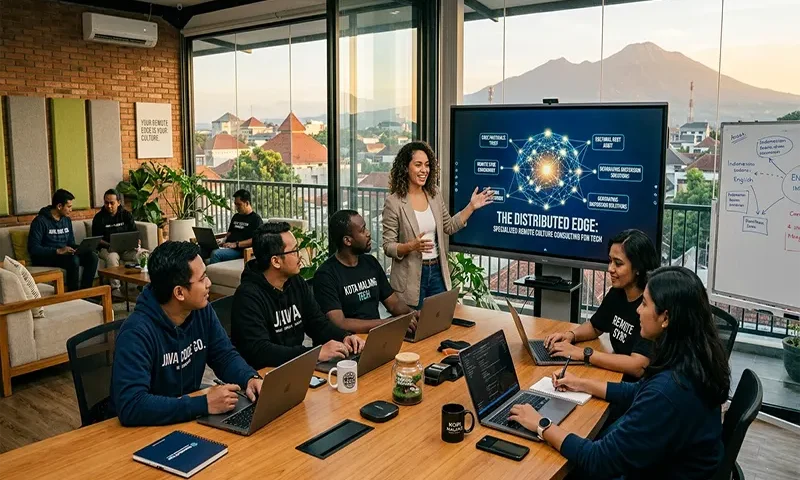
The Distributed Edge: Specialized Remote Culture Consulting for Tech

In 2026, the debate over “remote vs. office” has matured into a tactical reality. While 30% of global firms have reverted to full-time office mandates to combat “cultural debt,” the world’s most agile tech companies have doubled down on a distributed-first model. However, being distributed is no longer just about Slack and Zoom; it’s about architecting a high-performance ecosystem where geography is irrelevant to output.

Specialized remote work culture consulting has emerged as a critical service for tech firms that want to scale without losing their “soul” or their speed. This 1,000-word guide explores the consulting models that are driving the next era of distributed tech.

1. The 2026 Landscape: Solving for “Cultural Debt”

Many tech companies that went remote in 2020 are now facing Cultural Debt—the accumulated friction of broken processes, siloed communication, and eroding trust. Consulting services in 2026 focus on three primary pain points:

  • The Pilot
READ MORE ...
The Glowing Lagoon: Ultimate Guide to Florida Bioluminescent Kayaking

Floating through a lagoon that sparkles like liquid starlight is often described as a “bucket list” experience, but in 2026, it has become one of Florida’s premier eco-adventures. Located just an hour from Orlando, the Indian River Lagoon and Merritt Island National Wildlife Refuge host a natural light show that rivals any theme park spectacle.

Whether you are looking for the neon-blue trails of summer dinoflagellates or the gentle, tactile glow of winter comb jellies, 2026 is shaping up to be a banner year for bioluminescence. Here is everything you need to know to plan the perfect night on the water.

The Science of the Glow: Dinoflagellates vs. Comb Jellies

The magic of the lagoon is powered by two distinct organisms, depending on when you visit:

  • Summer (May – October): Dinoflagellates. These microscopic plankton are the “stars” of the lagoon. When the water is disturbed by a paddle, a kayak,
READ MORE ...
The Optimized Mind: Cognitive Boosting Snacks with Nootropics for Focus

In the hyper-accelerated professional landscape of 2026, the “3 PM slump” is no longer just a productivity hurdle—it’s a biological indicator of cognitive fatigue. As we demand more from our neural networks, the concept of “brain fog” has become an epidemic, driven by high-stress environments and nutrient-void snacking habits.

Enter the era of Nootropics. Once a niche interest for biohackers, these “smart compounds” are now mainstream tools for enhancing neuroplasticity, memory, and mental clarity. However, the most effective way to utilize nootropics isn’t always through a pill; it is through strategic, bioavailable nutrition.

The Science of Brain Fuel: Precursors and Pathways

The human brain is an energy glutton, consuming roughly 20% of the body’s total caloric intake despite making up only 2% of its mass. To maintain peak performance, the brain requires more than just glucose; it requires specific precursors to synthesize neurotransmitters.

When you snack for … READ MORE ...

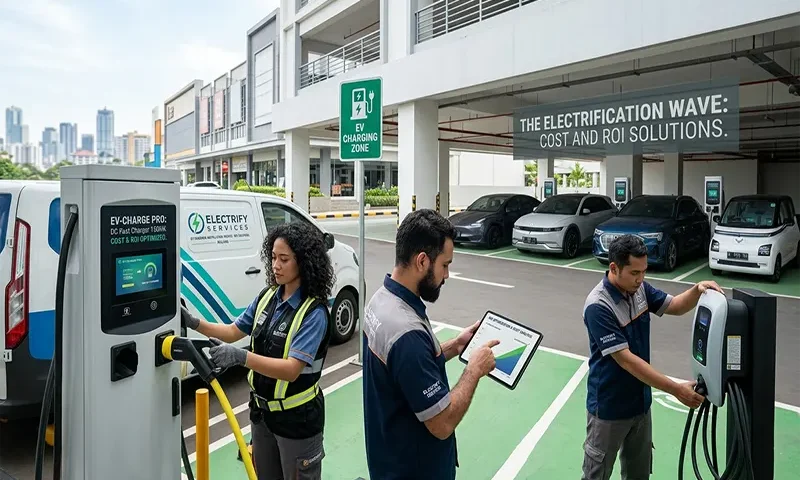
The Electrification Wave: Cost and ROI of an EV Charging Installation Service

The transition to electric mobility is no longer a “green niche”; it is a massive industrial pivot. As of 2026, the gap between Electric Vehicle (EV) sales and available charging infrastructure remains the single greatest bottleneck in the automotive market. For electrical contractors and entrepreneurs, this gap represents a generational opportunity.

Starting an EV charging station installation service is a dual-threat business model, operating in both the high-volume residential sector and the high-margin commercial sector. However, the path to profitability requires a deep understanding of hardware costs, specialized labor, and the complex web of government incentives.

1. The Startup Costs: Initial Investment Breakdown

Entering the EVSE (Electric Vehicle Supply Equipment) market requires more than just a standard electrical license. To be competitive and insurable, your startup costs generally fall into three categories:

Licensing, Certification, and Training

Standard Master Electrician credentials are the baseline, but specialized EVSE certification (such as the … READ MORE ...